
Blog

Why Some People Sweat Excessively on Their Feet

Thermoregulation is the body’s process of maintaining its core internal temperature, which is typically between 98°F and 100°F. Sweating is one of the mechanisms the body uses to cool down because as sweat evaporates it cools the skin, which lowers our internal temperature. Excessive sweating in specific areas of the skin is known as hyperhidrosis, or sometimes is referred to as plantar hyperhidrosis when it occurs in the feet. The specific cause of Hyperhidrosis is unknown, however its possible triggers are believed to include emotions, hormones, physical activity, or brain signals which inaccurately prompt sweat glands to overreact even when it is not necessary for thermoregulation. Sweat that sits stagnant on the skin of the feet can compromise the top layer of skin, making it more susceptible to bacteria which can create odor and even expose the body to more serious bacteria. Podiatrists have a variety of treatment options to help control this embarrassing and uncomfortable condition.

If you are suffering from hyperhidrosis contact Dr. Robert Graser of Graser Podiatry and Bunion Surgery Institute. Our doctor can provide the care you need to attend to all of your foot and ankle needs.

Hyperhidrosis of the Feet

Hyperhidrosis is a rare disorder that can cause people to have excessive sweating of their feet. This can usually occur all on its own without rigorous activity involved. People who suffer from hyperhidrosis may also experience sweaty palms.

Although it is said that sweating is a healthy process meant to cool down the body temperature and to maintain a proper internal temperature, hyperhidrosis may prove to be a huge hindrance on a person’s everyday life.

Plantar hyperhidrosis is considered to be the main form of hyperhidrosis. Secondary hyperhidrosis can refer to sweating that occurs in areas other than the feet or hands and armpits. Often this may be a sign of it being related to another medical condition such as menopause, hyperthyroidism and even Parkinson’s disease.

In order to alleviate this condition, it is important to see your doctor so that they may prescribe the necessary medications so that you can begin to live a normal life again. If this is left untreated, it is said that it will persist throughout an individual’s life.

A last resort approach would be surgery, but it is best to speak with your doctor to find out what may be the best treatment for you.

If you have any questions, please feel free to contact our office located in Boerne, . We offer the newest diagnostic and treatment technologies for all your foot care needs.

Read more about Hyperhidrosis of the Feet

Understanding Achilles Tendon Injuries

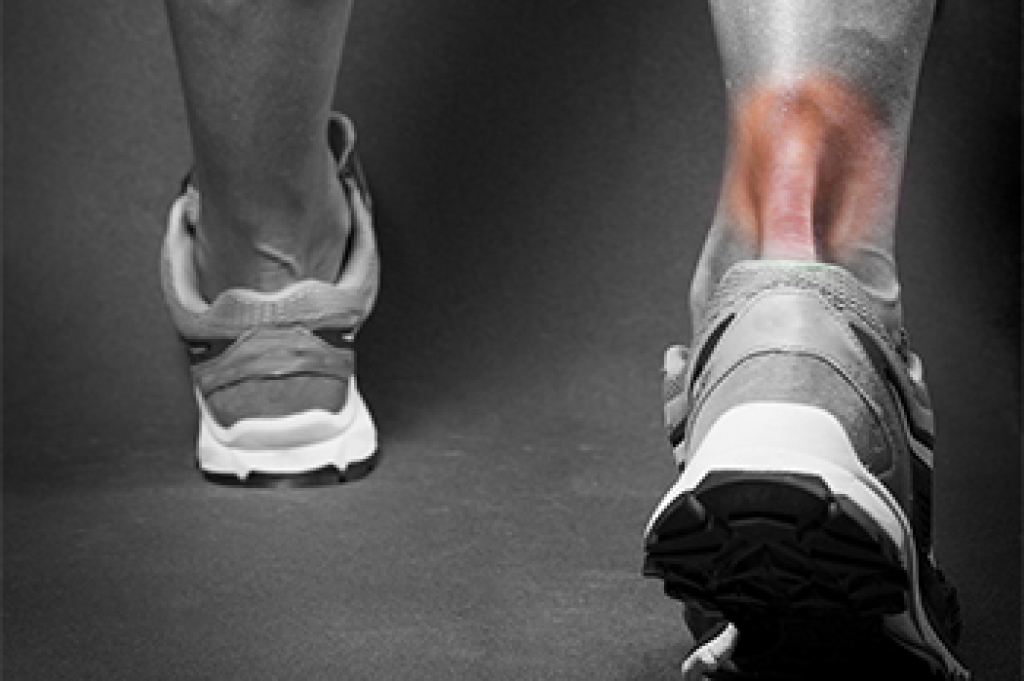
On the back of the ankle, there is a thick band of tissue that connects the calf to the heel bone. This is known as the Achilles tendon. If this tendon becomes inflamed near the heel bone, usually due to overuse, it is known as Achilles tendonitis. Patients who have Achilles tendonitis often experience stiffness in the Achilles area, pain in the back of the heel, and swelling. If left untreated, Achilles tendonitis can cause the tendon to degenerate resulting in Achilles tendinosis. If the fibers in the tendon tear (either partially or completely), it is known as an Achilles tendon rupture, which is one of the most severe injuries that can occur to that area. Patients who have pain or stiffness around their Achilles tendon should have it looked at by a podiatrist who can properly diagnose and treat their condition.        

Achilles tendon injuries need immediate attention to avoid future complications. If you have any concerns, contact Dr. Robert Graser of Graser Podiatry and Bunion Surgery Institute. Our doctor can provide the care you need to keep you pain-free and on your feet.

What Is the Achilles Tendon?

The Achilles tendon is a tendon that connects the lower leg muscles and calf to the heel of the foot. It is the strongest tendon in the human body and is essential for making movement possible. Because this tendon is such an integral part of the body, any injuries to it can create immense difficulties and should immediately be presented to a doctor.

What Are the Symptoms of an Achilles Tendon Injury?

There are various types of injuries that can affect the Achilles tendon. The two most common injuries are Achilles tendinitis and ruptures of the tendon.

Achilles Tendinitis Symptoms

  • Inflammation
  • Dull to severe pain
  • Increased blood flow to the tendon
  • Thickening of the tendon

Rupture Symptoms

  • Extreme pain and swelling in the foot
  • Total immobility

Treatment and Prevention

Achilles tendon injuries are diagnosed by a thorough physical evaluation, which can include an MRI. Treatment involves rest, physical therapy, and in some cases, surgery. However, various preventative measures can be taken to avoid these injuries, such as:

  • Thorough stretching of the tendon before and after exercise
  • Strengthening exercises like calf raises, squats, leg curls, leg extensions, leg raises, lunges, and leg presses

If you have any questions please feel free to contact our office located in Boerne, . We offer the newest diagnostic tools and technology to treat your foot and ankle needs.

Read more about Achilles Tendon Injuries

Are You Suffering From Ingrown Toenails?

If left untreated, an ingrown toenail can lead to more serious concerns, such as an infection. Knowing proper nail care can help in the prevention of an ingrown toenail. Give us a call, and get treated!

What Podiatrist Do to Help Treat Flat Feet

Some babies are born with flat feet and as they grow, the tendons in their feet tighten and formulate arches, typically by the time they reach 2 or 3 years of age. If arches never develop in babies feet, or they present only when they are sitting or on their toes, this is known as rigid flatfoot or flexible flatfoot, respectively. Flatfoot may be asymptomatic, or produce symptoms such as pain on the outside of the ankle, or achy, tired feet after playing sports or standing for extended periods of time. Calf muscles may also be tight, and there can be problems walking, standing, or balancing. If you are experiencing symptoms like these, contact a podiatrist to be diagnosed and treated properly. To determine if your condition is rigid or flexible, the podiatrist may ask you to stand on your toes. If your arch becomes visible while standing on your toes and collapses when you place your foot on the floor, you may be afflicted with flexible flatfoot. If your arch never presents (even while on your toes), the podiatrist may order a CT scan, MRI, or X-ray to make a diagnosis of rigid flatfoot. Your podiatrist may prescribe custom orthotics or special shoes to provide arch support and relieve pain, and/or calf muscle stretches to help improve ankle range of motion (dorsiflexion). If these more conservative techniques do not offer relief, surgery may be necessary to relieve pain, repair tendons, and restore the arch.

Flatfoot is a condition many people suffer from. If you have flat feet, contact Dr. Robert Graser from Graser Podiatry and Bunion Surgery Institute. Our doctor will treat your foot and ankle needs.

What Are Flat Feet?

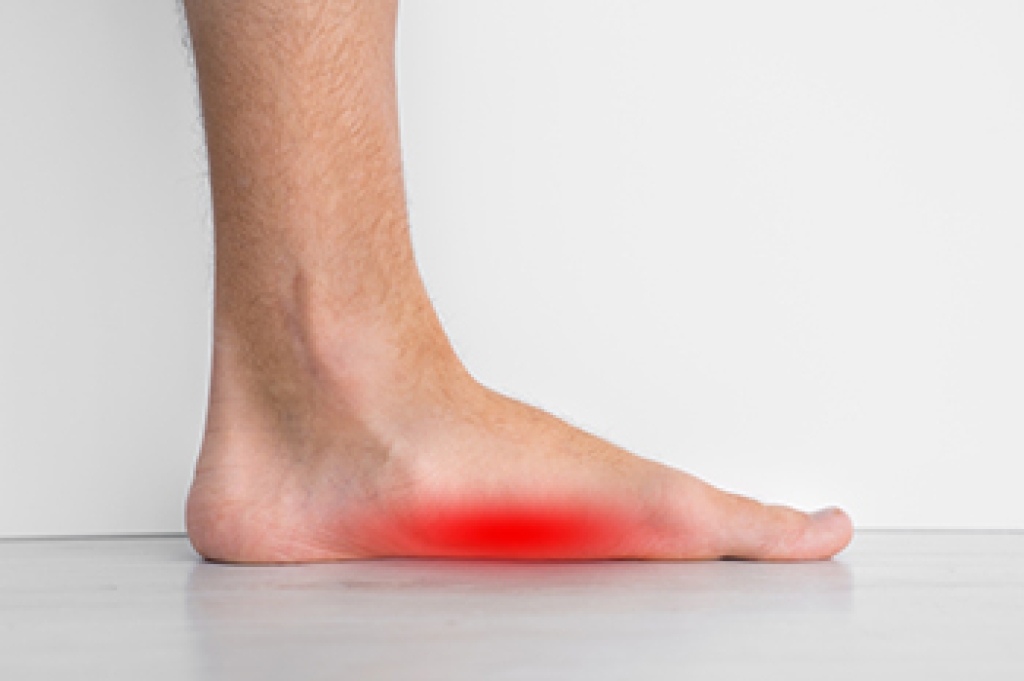
Flatfoot is a condition in which the arch of the foot is depressed and the sole of the foot is almost completely in contact with the ground. About 20-30% of the population generally has flat feet because their arches never formed during growth.

Conditions & Problems:

Having flat feet makes it difficult to run or walk because of the stress placed on the ankles.

Alignment – The general alignment of your legs can be disrupted, because the ankles move inward which can cause major discomfort.

Knees – If you have complications with your knees, flat feet can be a contributor to arthritis in that area.  

Symptoms

  • Pain around the heel or arch area
  • Trouble standing on the tip toe
  • Swelling around the inside of the ankle
  • Flat look to one or both feet
  • Having your shoes feel uneven when worn

Treatment

If you are experiencing pain and stress on the foot you may weaken the posterior tibial tendon, which runs around the inside of the ankle. 

If you have any questions, please feel free to contact our office located in Boerne, . We offer the newest diagnostic and treatment technologies for all your foot care needs.
Read more about Flat Feet

Thin Cracks in Foot Bones

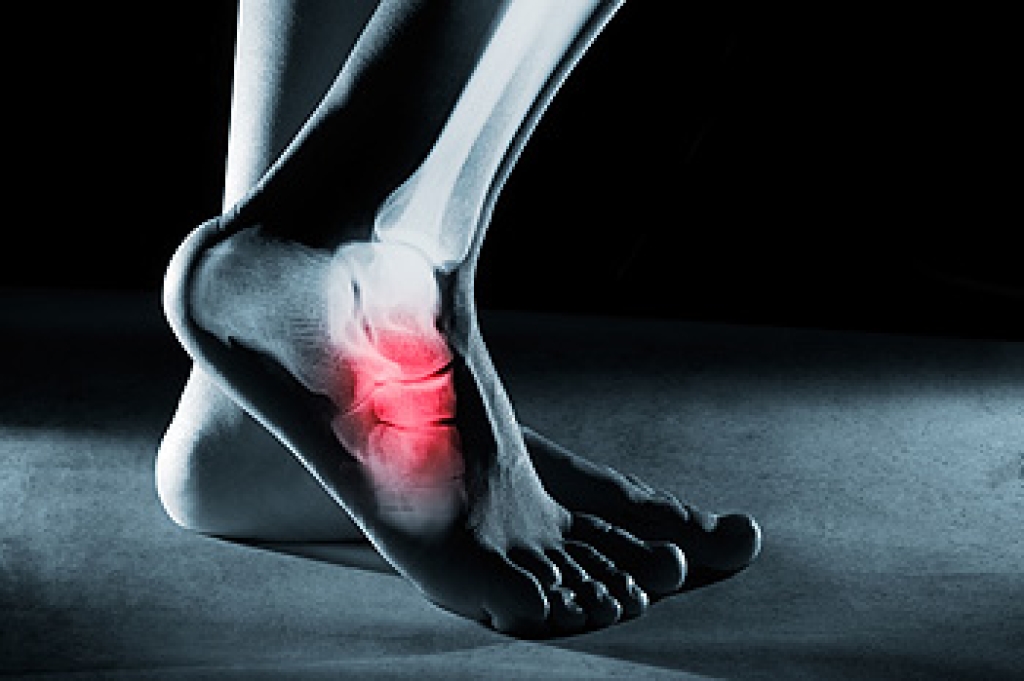
Stress fractures are very thin cracks in a bone. They are often called hairline fractures because of their thin, hair-like appearance. These fractures are typically caused by overuse. Symptoms may include pain which develops gradually in a generalized area, swelling, tenderness, and difficulty bearing weight on the affected foot. A podiatrist can diagnose a stress fracture through a physical examination and X-ray, MRI, or bone scan. Stress fractures are particularly common among runners, basketball players, and ballet dancers. A stress fracture in the foot can affect any of the foot bones, but is usually found on the metatarsal, navicular, calcaneal, medial malleolus, or talus bones. If you suspect that you may have a stress fracture, please seek the care of a podiatrist.

Activities where too much pressure is put on the feet can cause stress fractures. To learn more, contact Dr. Robert Graser from Graser Podiatry and Bunion Surgery Institute. Our doctor can provide the care you need to keep your pain free and on your feet.

Dealing with Stress Fractures of the Foot and Ankle

Stress fractures occur in the foot and ankle when muscles in these areas weaken from too much or too little use.  The feet and ankles then lose support when walking or running from the impact of the ground. Since there is no protection, the bones receive the full impact of each step. Stress on the feet can cause cracks to form in the bones, thus creating stress fractures.

What Are Stress Fractures?

Stress fractures occur frequently in individuals whose daily activities cause great impact on the feet and ankles. Stress factors are most common among:

  • Runners                                
  • People affected with Osteoporosis
  • Tennis or basketball players
  • Gymnasts
  • High impact workouts

Symptoms

Pain from the fractures occur in the area of the fractures and can be constant or intermittent. It will often cause sharp or dull pain with swelling and tenderness. Engaging in any kind of activity which involves high impact will aggravate pain.

If you have any questions please contact our office located in Boerne, . We offer the newest diagnostic and treatment technologies for all your foot and ankle needs.

Read more about Dealing with Stress Fractures of the Foot and Ankle
Connect with us

featured articles