Blog

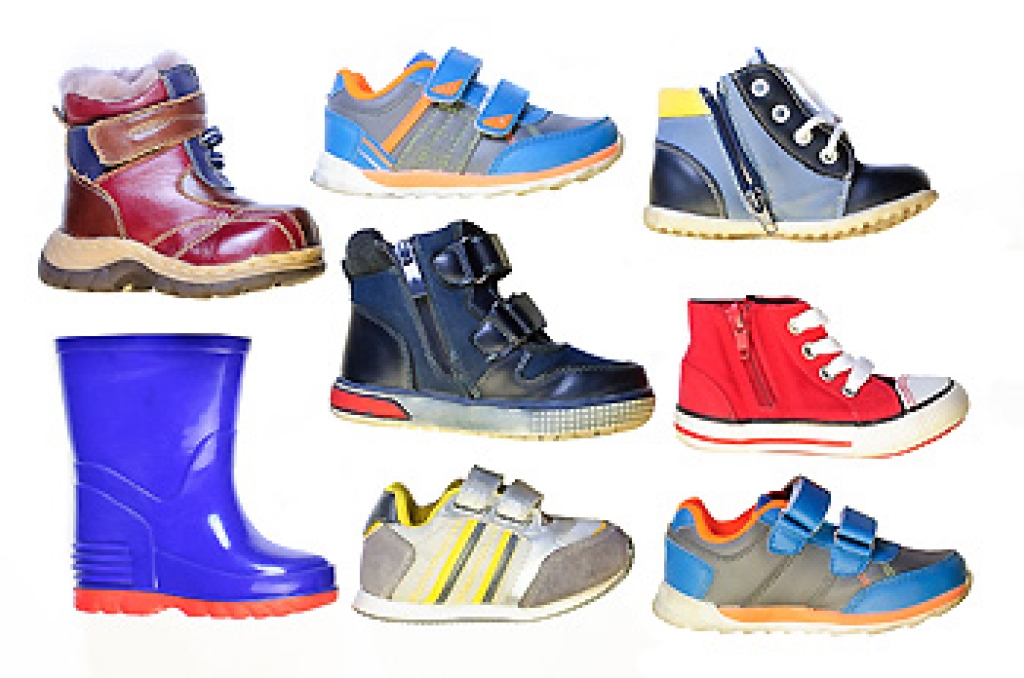
Children That Walk With Their Toes In Or Out May Indicate A Foot Condition

Many children can experience foot conditions their parents may be unaware of. This can be a result of the flexibility children’s feet have, which can mask misalignment and discomfort. Common problems involving the feet may include walking with the toes in or out, or knock knees which may originate from poor foot alignment. Additionally, chronic heel pain is a common problem which may indicate Sever’s disease. If you notice your child is having any type of foot pain, it is strongly recommended that you consult with a podiatrist, who can determine the cause of existing foot pain as quickly as possible.

The health of a child’s feet is vital to their overall well-being. If you have any questions regarding foot health, contact Dr. Robert Graser of Graser Podiatry and Bunion Surgery Institute. Our doctor can provide the care you need to keep you pain-free and on your feet.

Tips for Keeping Children's Feet Healthy

  • Make sure their shoes fit properly
  • Look for any signs of in-toeing or out-toeing
  • Check to see if they have Clubfoot (condition that affects your child’s foot and ankle, twisting the heel and toes inward) which is one of the most common nonmajor birth defects.
  • Lightly cover your baby’s feet (Tight covers may keep your baby from moving their feet freely, and could prevent normal development)
  • Allow your toddler to go shoeless (Shoes can be restricting for a young child’s foot)
  • Cut toenails straight across to avoid ingrown toenails
  • Keep your child’s foot clean and dry
  • Cover cuts and scrapes. Wash any scratches with soap and water and cover them with a bandage until they’ve healed.

If you have any questions, please feel free to contact our office located in Boerne, . We offer the newest diagnostic and treatment technologies for all your foot care needs.

Read more about What to Do to Keep Your Child’s Feet Healthy

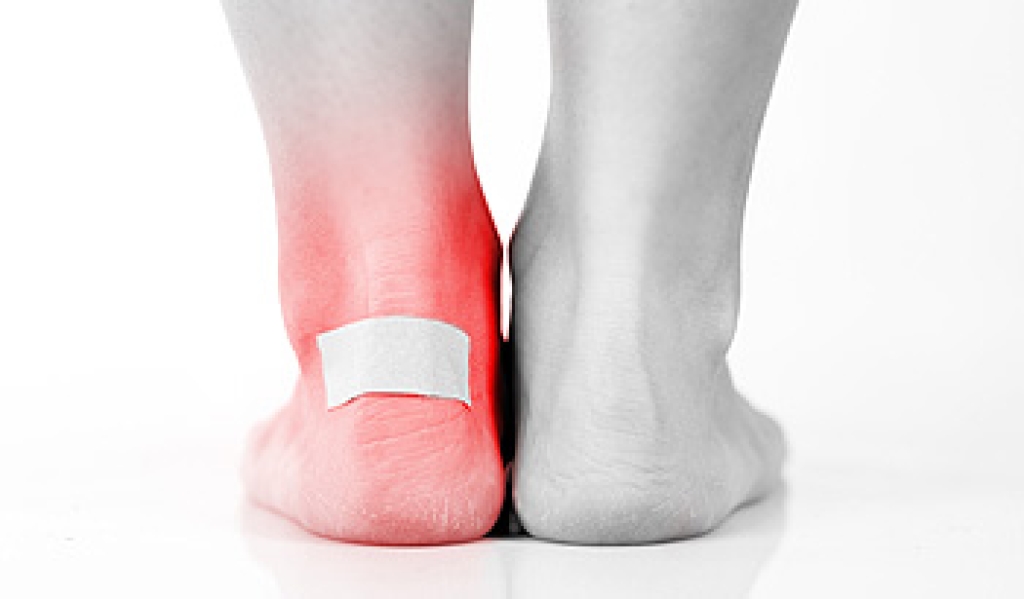
Where Did This Foot Blister Come From?

Blisters are small, fluid-filled bumps on the skin that form in response to trauma. The most common cause of blisters on the feet are shoes rubbing repeatedly against the skin. However, there are a variety of other reasons you may have developed a blister. These can include burns or sunburns, frostbite, eczema, allergic reactions, exposure to poison ivy, viruses that cause chicken pox or cold sores, and various diseases or infections. If you have a foot blister and can’t pinpoint the cause, or if your blister is draining pus, red in color, warm or painful, or if you have a fever, diabetes, or circulatory problems, it is strongly recommended that you visit a podiatrist. A podiatrist can examine and treat blisters on the feet and provide the appropriate treatment.

Blisters are prone to making everyday activities extremely uncomfortable. If your feet are hurting, contact Dr. Robert Graser of Graser Podiatry and Bunion Surgery Institute. Our doctor can provide the care you need to keep you pain-free and on your feet.

Foot Blisters

Foot blisters develop as a result of constantly wearing tight or ill-fitting footwear. This happens due to the constant rubbing from the shoe, which can often lead to pain.

What Are Foot Blisters?

A foot blister is a small fluid-filled pocket that forms on the upper-most layer of the skin. Blisters are filled with clear fluid and can lead to blood drainage or pus if the area becomes infected.

How Do Blisters Form?

Blisters on the feet are often the result of constant friction of skin and material, usually by shoe rubbing. Walking in sandals, boots, or shoes that don’t fit properly for long periods of time can result in a blister. Having consistent foot moisture and humidity can easily lead to blister formation.

Prevention & Treatment

It is important to properly care for the affected area in order to prevent infection and ease the pain. Do not lance the blister and use a Band-Aid to provide pain relief. Also, be sure to keep your feet dry and wear proper fitting shoes. If you see blood or pus in a blister, seek assistance from a podiatrist.

If you have any questions, please feel free to contact our office located in Boerne, . We offer the newest diagnostic and treatment technologies for all your foot care needs.

Read more about Blisters on the Feet

How Vitamins Can Help Prevent Cracked Heels

Cracked heels can be unpleasant to look at and may also cause a great deal of foot pain if left untreated. In serious cases, the cracks may turn into fissures, which are deep cracks in the skin that can lead to bleeding. While cracked heels are linked to dryness of the skin, they may also form due to a vitamin deficiency. If you aren’t getting the proper vitamin intake, the skin may become dry, dull, and prematurely age. Vitamin E is particularly beneficial in protecting collagen in your skin, and can be found in foods such as avocados, mangos, and salmon. For more information on what vitamins may help the prevention of cracked heels, please consult with a podiatrist.

If the skin on your feet starts to crack, you may want to see a podiatrist to find treatment. If you have any concerns, contact Dr. Robert Graser from Graser Podiatry and Bunion Surgery Institute. Our doctor can provide the care you need to keep you pain-free and on your feet.

Cracked Heels

It is important to moisturize your cracked heels in order to prevent pain, bleeding, and infection. The reason cracked heels form is because the skin on the foot is too dry to support the immense pressure placed on them. When the foot expands, the dry skin on the foot begins to split.

Ways to Help Heal Them

  • Invest in a good foot cream
  • Try Using Petroleum Jelly
  • Ease up on Soaps
  • Drink Plenty of Water

Ways to Prevent Cracked Heels

  • Moisturize After Showering
  • Skip a Shower
  • Keep Shower Water Lukewarm
  • Don’t Scrub Your Feet

If you are unsure how to proceed in treating cracked heels, seek guidance from a podiatrist. Your doctor will help you with any questions or information you may need. 

If you have any questions, please feel free to contact our office located in Boerne, . We offer the newest diagnostic and treatment technologies for all your foot care needs.

Read more about Solutions for Cracked Heels

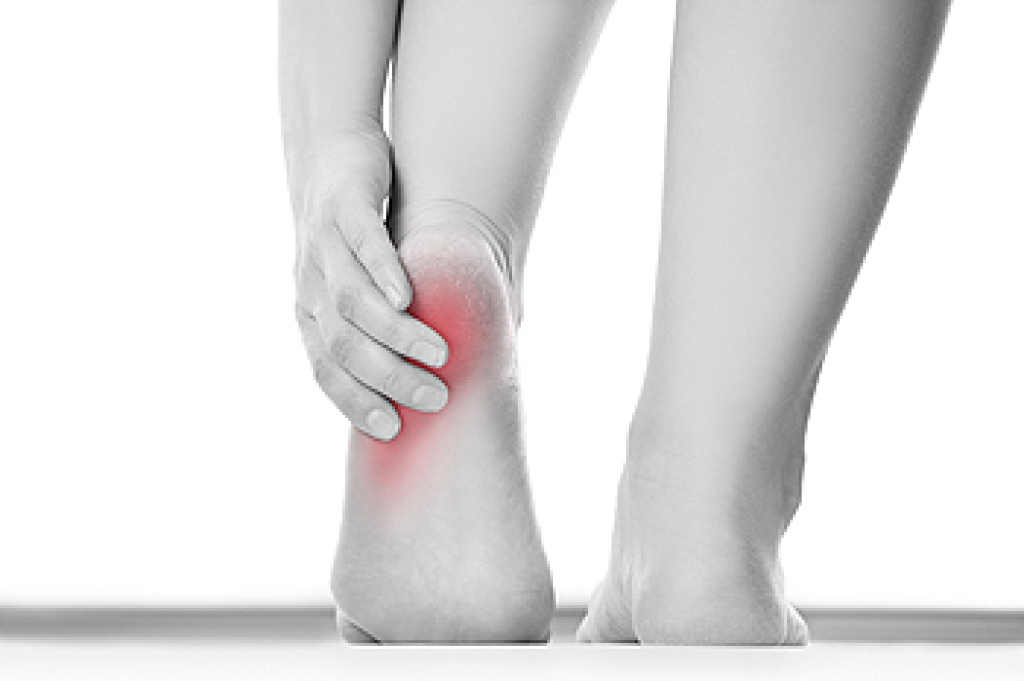
Possible Causes of Heel Pain

Heel pain can often be uncomfortable, and may be indicative of existing foot conditions. A common cause of heel pain is plantar fasciitis, which occurs as a result of a damaged or injured plantar fascia. The plantar fascia is the portion of tissue that connects the heel to the toes, and it can cause severe pain and discomfort if it becomes injured. Additional reasons for heel pain to develop can happen from being overweight, or from standing for extended periods of time throughout the day. Additionally, wearing shoes that do not fit correctly may be a cause of heel pain. Children who participate in running and jumping activities may be susceptible to developing Sever’s disease, which is a condition that affects the growth plate in the heel. If you are experiencing heel pain, it is strongly suggested that you consult with a podiatrist, who can properly diagnose and treat any type of heel pain, as quickly as possible.

Many people suffer from bouts of heel pain. For more information, contact Dr. Robert Graser of Graser Podiatry and Bunion Surgery Institute. Our doctor can provide the care you need to keep you pain-free and on your feet.

Causes of Heel Pain

Heel pain is often associated with plantar fasciitis. The plantar fascia is a band of tissues that extends along the bottom of the foot. A rip or tear in this ligament can cause inflammation of the tissue.

Achilles tendonitis is another cause of heel pain. Inflammation of the Achilles tendon will cause pain from fractures and muscle tearing. Lack of flexibility is also another symptom.

Heel spurs are another cause of pain. When the tissues of the plantar fascia undergo a great deal of stress, it can lead to ligament separation from the heel bone, causing heel spurs.

Why Might Heel Pain Occur?

  • Wearing ill-fitting shoes                
  • Wearing non-supportive shoes
  • Weight change           
  • Excessive running

Treatments

Heel pain should be treated as soon as possible for immediate results. Keeping your feet in a stress-free environment will help. If you suffer from Achilles tendonitis or plantar fasciitis, applying ice will reduce the swelling. Stretching before an exercise like running will help the muscles. Using all these tips will help make heel pain a condition of the past.

If you have any questions, please feel free to contact our office located in Boerne, . We offer the newest diagnostic and treatment technologies for all your foot care needs.

Read more about Heel Pain
Connect with us

featured articles