
Blog

Facts About Charcot-Marie-Tooth Disease

Charcot-Marie-Tooth disease, CMT,  is an inherited nerve condition that attacks muscles in the feet, legs, arms, and hands. The disease, which is named after the three doctors who first described it, is progressive and incurable. It is thought to be caused by a disorder in a particular gene that controls the peripheral nervous system. In short, the peripheral nerves have trouble sending the correct messages to the extremities. Symptoms often are noticed in the feet and legs first, causing weakness and balance problems. Often, sufferers may think they are clumsy or accident-prone. Charcot-Marie-Tooth disease also causes the ankles to become weakened. This further affects the gait, and falling is prevalent. A visit to a podiatrist for an examination and diagnosis is suggested, because there are some ways to treat the symptoms. People with CMT can benefit from custom shoes and leg braces, along with other walking aids to improve mobility and balance. In some cases, surgery can correct bone abnormalities. For more information, contact a podiatrist.  

Some foot conditions may require additional professional care. If you have any concerns, contact Dr. Robert Graser of Graser Podiatry and Bunion Surgery Institute. Our doctor can provide the care you need to keep you pain-free and on your feet.

Rare Foot Conditions

The majority of foot conditions are common and can be treated by a podiatrist.  Standard diagnostic procedures are generally used to identify specific conditions and treatment can be rendered. A podiatrist also treats rare foot conditions which can be difficult to diagnose and may need extra attention and care. 

There are many rare foot conditions that can affect children. Some of these can include:

  • Freiberg’s disease
  • Kohler’s disease
  • Maffucci syndrome

Freiberg’s disease - This can be seen as a deterioration and flattening of a metatarsal bone that exists in the ball of the foot. It typically affects pre-teen and teenage girls, but can affect anyone at any age. Symptoms that can accompany this can be swelling, stiffness, and the patient may limp. 

Kohler’s disease - This often targets the bone in the arch of the foot and affects younger boys. It can lead to an interruption of the blood supply which ultimately can lead to bone deterioration. The patient may limp or experience tenderness, swelling, and redness.

Maffucci syndrome - This affects the long bones in a child’s foot leading to the development of abnormal bone lesions. They are benign growths and typically develop in early childhood and the bones may be susceptible to breaking. 

A podiatrist can properly diagnose and treat all types of rare foot conditions. If your child is affected by any of these symptoms or conditions, please don’t hesitate to call our office so the correct treatment method can begin.

If you have any questions, please feel free to contact our office located in Boerne, . We offer the newest diagnostic and treatment technologies for all your foot care needs.

Read more about Rare Foot Conditions

Plantar Fasciitis and Jumping Rope

There is a good chance that you might have heard of plantar fasciitis at some point in your life. This is because it is a leading cause of heel pain in many Americans, and can make a variety of physical activities significantly more challenging. Jumping rope is one such activity that can exacerbate or aggravate plantar fasciitis. Since this foot condition makes the band of tissue along the arch of the foot inflamed, jumping rope can cause an individual with plantar fasciitis pain. For example, when jumping rope, an individual with plantar fasciitis might feel a heightened sense of pain in the arches of the feet. Boxers ought to be particularly mindful of this possibility, as boxers will often jump rope in training for their sport. If you have plantar fasciitis or frequently jump rope, contact a podiatrist today for more information.

Plantar fasciitis is a common foot condition that is often caused by a strain injury. If you are experiencing heel pain or symptoms of plantar fasciitis, contact Dr. Robert Graser from Graser Podiatry and Bunion Surgery Institute. Our doctor can provide the care you need to keep you pain-free and on your feet.

What Is Plantar Fasciitis?

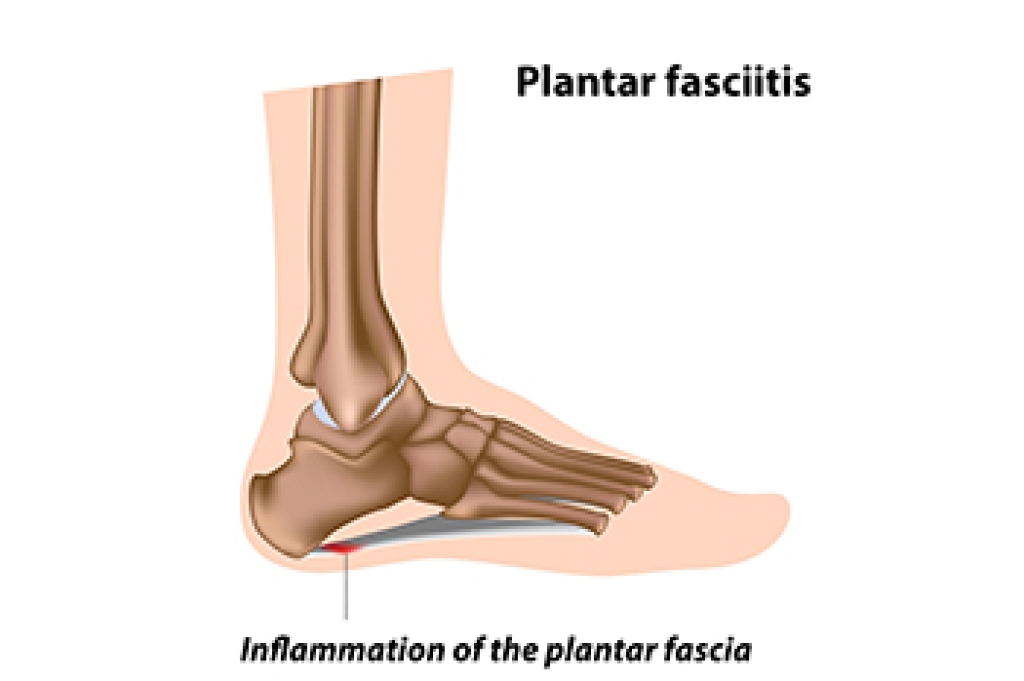
Plantar fasciitis is one of the most common causes of heel pain. The plantar fascia is a ligament that connects your heel to the front of your foot. When this ligament becomes inflamed, plantar fasciitis is the result. If you have plantar fasciitis you will have a stabbing pain that usually occurs with your first steps in the morning. As the day progresses and you walk around more, this pain will start to disappear, but it will return after long periods of standing or sitting.

What Causes Plantar Fasciitis?

  • Excessive running
  • Having high arches in your feet
  • Other foot issues such as flat feet
  • Pregnancy (due to the sudden weight gain)
  • Being on your feet very often

There are some risk factors that may make you more likely to develop plantar fasciitis compared to others. The condition most commonly affects adults between the ages of 40 and 60. It also tends to affect people who are obese because the extra pounds result in extra stress being placed on the plantar fascia.

Prevention

  • Take good care of your feet – Wear shoes that have good arch support and heel cushioning.
  • Maintain a healthy weight
  • If you are a runner, alternate running with other sports that won’t cause heel pain

There are a variety of treatment options available for plantar fasciitis along with the pain that accompanies it. Additionally, physical therapy is a very important component in the treatment process. It is important that you meet with your podiatrist to determine which treatment option is best for you.

If you have any questions, please feel free to contact our office located in Boerne, . We offer the newest diagnostic and treatment technologies for all your foot care needs.

 

Read more about Plantar Fasciitis

What Causes Burning Toes?

The sensation of burning in the toes can be caused by a number of conditions, many of which may need immediate and long-term treatment. Among the many possible causes of burning toes, diabetes, joint disease, and nerve pain top the list. If any of these serious health conditions are ignored, they can affect your quality of life and ability to carry out daily activities. Another common cause of burning in the toes is from wearing shoes that do not fit properly. In addition, hot toes can be the result of an injury or a blood circulation disorder. If the blood flow is blocked or oxygen-depleted, the result can be felt in the toes. Blood clots and inflammation of the veins and arteries can result in burning toes. Extreme cold can also damage the peripheral nerves, which can cause a burning sensation. If you frequently experience the sensation of burning in the toes, it is wise to seek the counsel of a podiatrist who may be able to determine the root cause and offer treatment suggestions.

Toe pain can disrupt your daily activities. If you have any concerns, contact Dr. Robert Graser of Graser Podiatry and Bunion Surgery Institute. Our doctor can provide the care you need to keep you pain-free and on your feet.

What Causes Toe Pain?

Most severe toe pain is caused due to a sports injury, trauma from dropping something heavy on the toe, or bumping into something rigid. Other problems can develop over time for various reasons.

Toe pain can be caused by one or more ailments. The most common include:

  • Trauma
  • Sports injury
  • Wearing shoes that are too tight
  • Arthritis
  • Gout
  • Corns and calluses
  • Hammertoe
  • Bunions
  • Blisters
  • Ingrown toenails
  • Sprains
  • Fractures (broken bones)
  • Dislocations

When to See a Podiatrist

  • Severe pain
  • Persistent pain that lasts more than a week
  • Signs of infection
  • Continued swelling
  • Pain that prevents walking

Diagnosis

In many cases the cause of toe pain is obvious, but in others, a podiatrist may want to use more advanced methods to determine the problem. These can range from simple visual inspections and sensation tests to X-rays and MRI scans. Prior medical history, family medical history, and any recent physical traumatic events will all be taken into consideration for a proper diagnosis.

Treatment

Treatments for toe pain and injuries vary and may include shoe inserts, padding, taping, medicines, injections, and in some cases, surgery. If you believe that you have broken a toe, please see a podiatrist as soon as possible.

If you have any questions please contact our office located in Boerne, . We offer the newest diagnostic and treatment technologies for all your foot and ankle needs.

Read more about Toe Pain

Are You Suffering From Ingrown Toenails?

If left untreated, an ingrown toenail can lead to more serious concerns, such as an infection. Knowing proper nail care can help in the prevention of an ingrown toenail. Give us a call, and get treated!

What Is an Ankle Eversion Sprain?

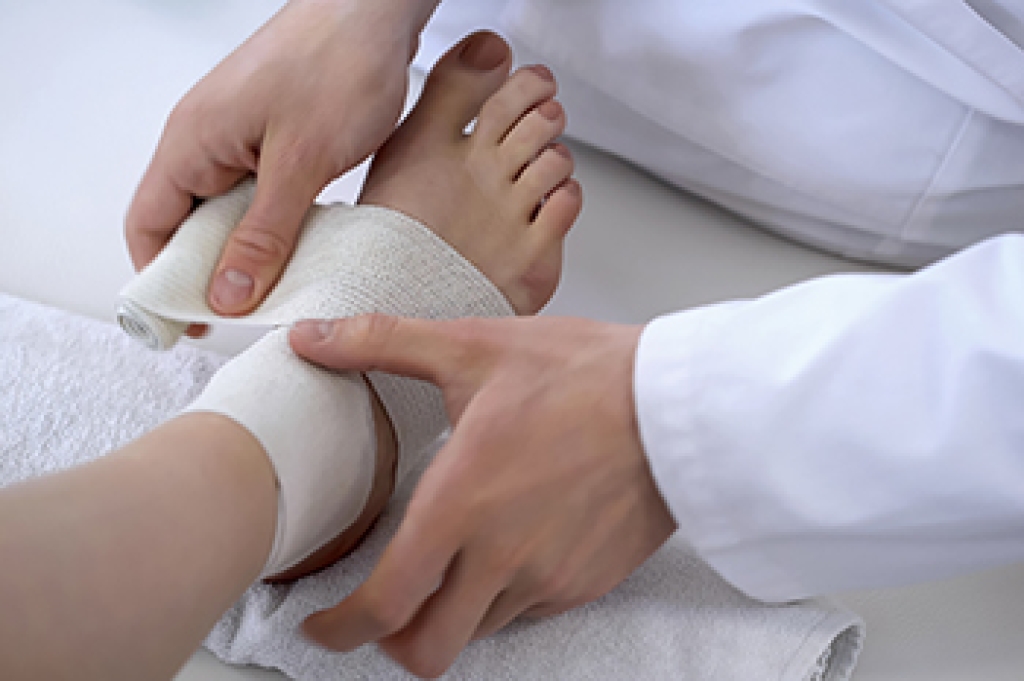
An ankle sprain occurs by twisting the ankle beyond its normal range of motion. A common type of sprain is the eversion sprain, resulting from rolling the ankle inward. Doing this can damage the ligaments in the ankle and cause severe pain or discomfort. The ankle can be sprained in several ways, including running on uneven surfaces and changing directions suddenly while engaging in sporting activities. Additionally, wearing shoes that do not fit correctly or provide minimal support may be another reason a sprained ankle can happen. An X-ray is often taken to provide a proper diagnosis. This is successful in ruling out a fracture, and the right course of treatment can begin. Many people use crutches to keep their weight off the affected foot. If you have sprained your ankle, please consult a podiatrist who can determine the type of sprain and help you with the correct treatment.

Ankle sprains are common but need immediate attention. If you need your feet checked, contact Dr. Robert Graser from Graser Podiatry and Bunion Surgery Institute. Our doctor can provide the care you need to keep you pain-free and on your feet.

How Does an Ankle Sprain Occur?

Ankle sprains take place when the ligaments in your ankle are torn or stretched beyond their limits. There are multiple ways that the ankle can become injured, including twisting or rolling over onto your ankle, putting undue stress on it, or causing trauma to the ankle itself.

What Are the Symptoms?

  • Mild to moderate bruising
  • Limited mobility
  • Swelling
  • Discoloration of the skin (depending on severity)

Preventing a Sprain

  • Wearing appropriate shoes for the occasion
  • Stretching before exercises and sports
  • Knowing your limits

Treatment of a Sprain

Treatment of a sprain depends on the severity.  Many times, people are told to rest and remain off their feet completely, while others are given an air cast. If the sprain is very severe, surgery may be required.

If you have suffered an ankle sprain previously, you may want to consider additional support such as a brace and regular exercises to strengthen the ankle.

If you have any questions please feel free to contact our office located in Boerne, . We offer the newest diagnostic tools and technology to treat your foot and ankle needs.

Read more about Three Grades of Ankle Sprains
Connect with us

featured articles